
Synthetically yours: A conversation with our CEO Maya Pindeus on how Synthetic Satellite Data could change the way we plan for the future
Seeing the future is the easy part
Imagine you could generate a faithful picture of any place on Earth under conditions it has never actually lived through. A coastline battered by a storm that has not arrived. A power grid under a pressuring heatwave that has not happened yet. A forest a decade into a future that is still being decided. That, roughly, is what synthetic Earth observation data could make possible: detailed, synthetically generated data that looks and behaves like real imagery.
In her two-part conversation with Guy Clapperton on The Near Futurist podcast, our CEO Maya Pindeus describes in detail how Another Earth builds this exact kind of training data.
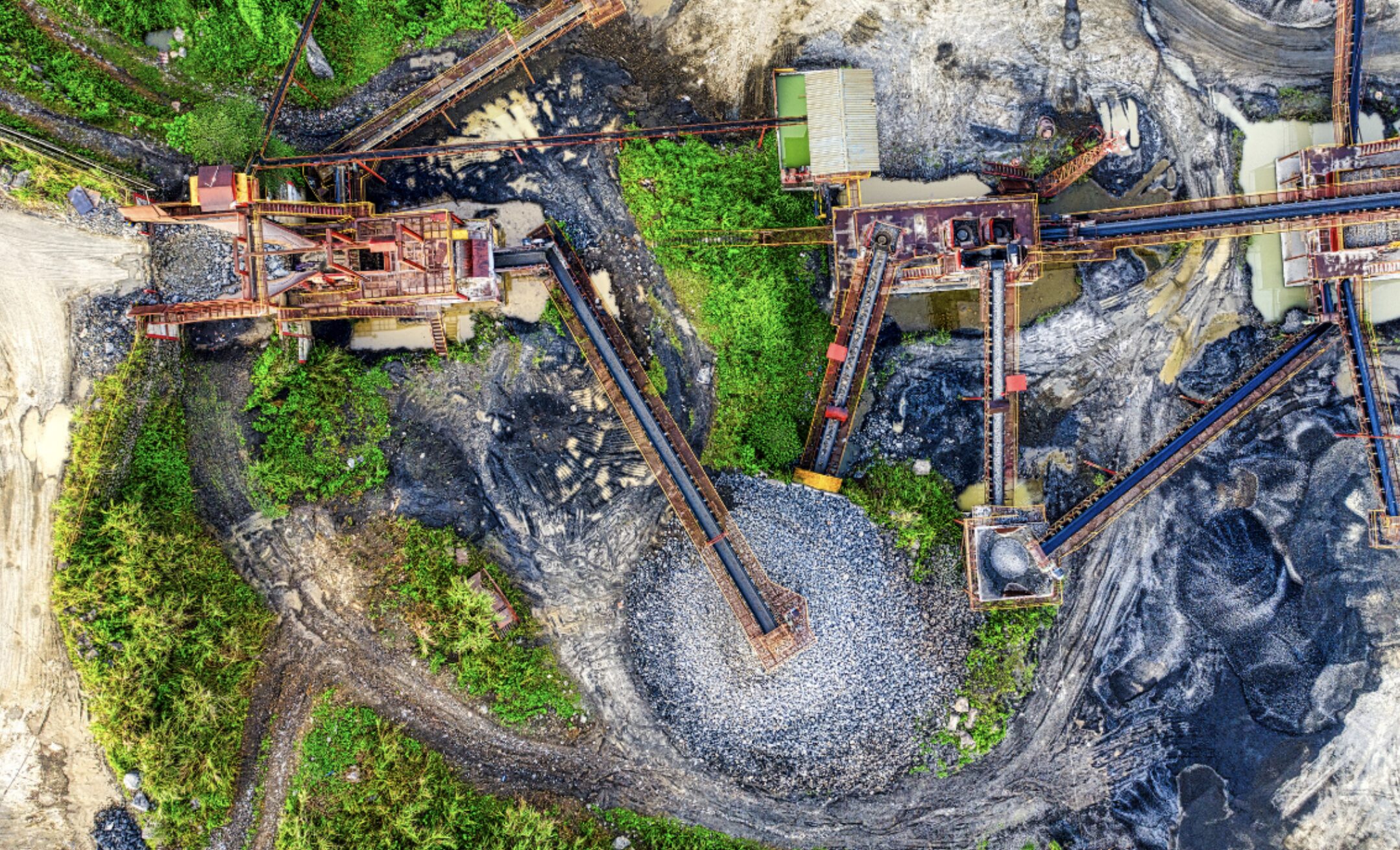
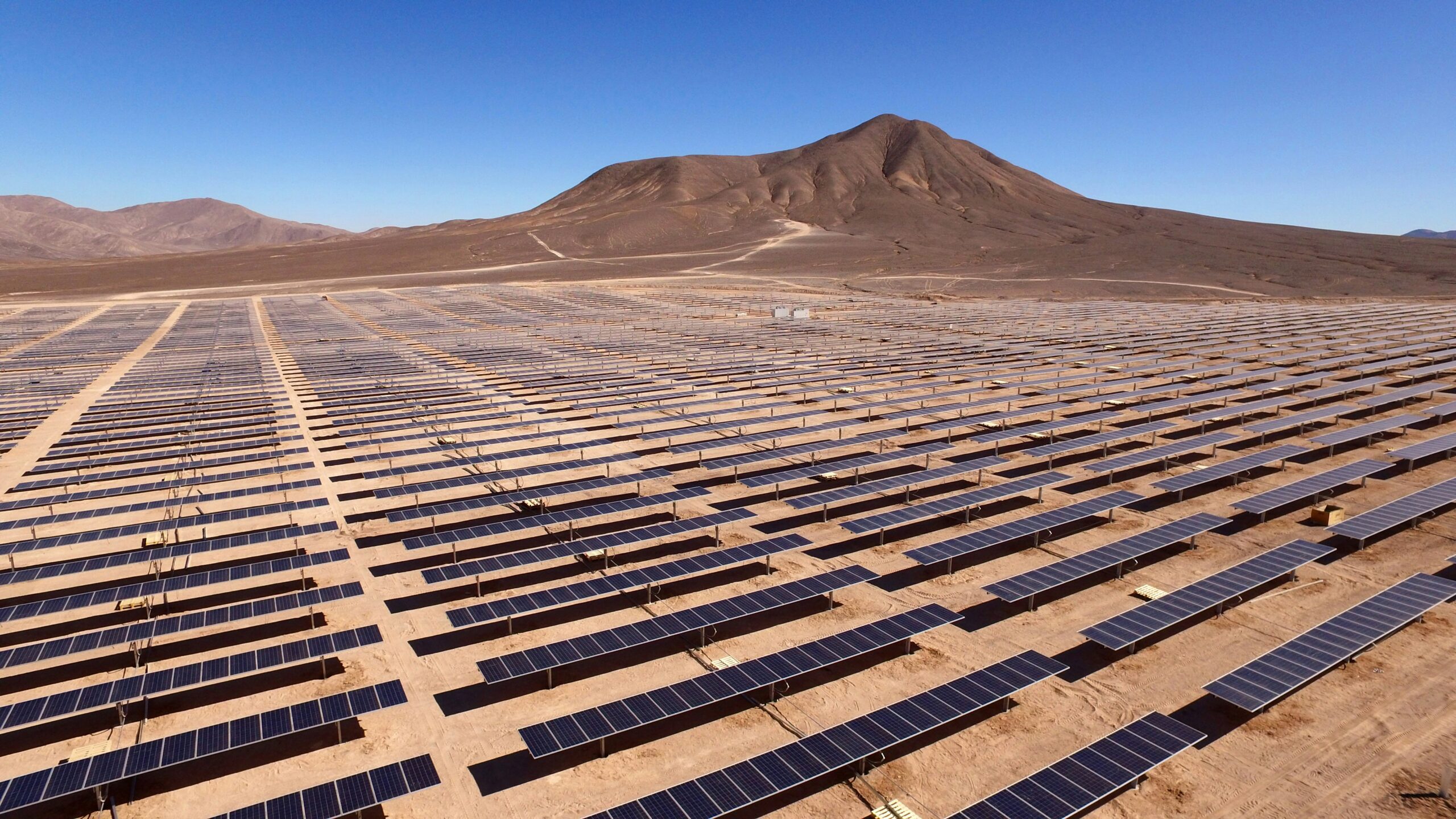
Why build it from scratch, when satellites already watch the planet around the clock? Because watching is not the same as seeing clearly. The usable picture is patchy and uneven: high-resolution tasking, labelled training data and historical archives have long leaned towards the Northern Hemisphere with the South often being underrepresented. Clouds obstruct views, and the baseline of what counts as a normal year keeps shifting, leaving blind spots in exactly the places where the stakes are highest. Synthetic data fills those gaps, and because it comes ready-labelled, models reach reliable performance on a fraction of the real imagery they would otherwise need. That matters most across the areas under real pressure, from energy and infrastructure to forests and mines.
But besides sharing insights on our technology itself, Maya also focuses on one very important question: what do people do once a model can show them what might be coming? Because the hard part, it turns out, is not only seeing the future. It is also deciding how to live with it.
The trap of the single answer
Let’s start with the obvious danger. If you build something that predicts risk, how do you stop people treating the prediction as the holy grail? Forecasts can go wrong, and a confident one that turns out to be false can do more damage than no forecast at all.
Maya’s answer is that you should not rely on a single prediction in the first place. Instead, the goal is to create and learn from many possible scenarios, each a different version of what could happen. She emphasises that we need to shift away from searching for a single clear image of the future, and towards running through scenarios of how the decisions we make now could shape it. That shift is vital. It turns a forecast from a fixed answer into something teams can test, challenge and plan around.
And this approach shapes how the models are built as well. Not one all-seeing global model, but “small models that can be plugged into real world workflows,” as Maya puts it, the kind you can actually question, each built for a specific place and problem. And when one of them surfaces something nobody expected, something that cuts against the conventional wisdom or the politically convenient answer? Then that is important evidence worth putting on the table.
Synthetic doesn’t mean ‘made up’
Maya also addresses a perspective she often encounters when introducing Another Earth’s work with synthetic data: the suspicion about artificially created data. If the data is not real, why would anyone trust a decision built on it?
It is a fair question, and Maya gives a clear answer. The best technique against error is almost boringly simple, but rigorous: comparison, at every step. Real against synthetic, again and again, as the data is generated and the models are trained. The honesty is built into the process, not promised at the end of it. Where real data runs out, the models have already been measured against everything we can observe, and are then applied to the conditions we have not yet seen.
But in this lies another pivotal point Maya also wants to make clear. Another Earth’s synthetic data is not built to replace real-world data. It is built to complement it, to fill in where real world data meets its limits in order to measure the real world in a level of detail that was not possible before. It does not stand in for reality. It fills in the parts of it we have never been able to see.
The part nobody can automate
Push further and the questions get heavier. A system this accurate could shape who gets insurance, where money flows, even where people are willing to live. People are already being displaced by climate change. Put that kind of foresight in the wrong hands and it could do real harm.
Maya does not pretend otherwise. Any powerful tool can be misused. Which is exactly why the line she keeps drawing is about who holds the decision. These systems offer a sharper view, an extra perspective, a clearer read on what is coming. They are there to support a judgement, never to make it. “The decision making should lie with us, human beings,” she says. The choice, and the responsibility that rides with it, stays human.
From charity to investment
Ask Maya what people get most wrong about environmental risk, and she points to a habit of mind. For a long time, protecting nature sat under the heading of charity, a good thing to do, a cause to donate to. That framing, she thinks, is finally breaking.
She points to COP30, the UN climate conference held in Belém, Brazil, in late 2025, and the growing push to treat the Amazon not as a charity case but as an investment, with real investment vehicles such as the Tropical Forests Forever Facility behind it. Protect a forest and you are not being generous. You are managing risk and buying a more secure future. Once you see it that way, it is difficult to unsee.
A world that stops reacting
So where does this lead? Maya’s answer is unguarded. “We’re living in a very reactive world at the moment,” she says, “and we’re seeing how it’s not working.” The stockpiling, the scramble when a grid fails or a supply chain snaps, the planning that rarely looks past the next short cycle.
The alternative is to simulate the consequences of a decision before committing to it, and to build energy systems, food systems, supply chains and infrastructure for fifteen or twenty years out rather than fifteen or twenty months. Less reaction, more preparation. The catch is that this only works if we are willing to look now at the challenges, and Maya is clear that we have to be. As she says, “we don’t want to live with too many blind spots.”
This idea is a central point Maya emphasises across both podcast episodes with Guy: the ability to see further is arriving. Whether it makes the world steadier depends on something older and harder: what we choose to do once we can.
Listen to both parts
The full two-part conversation is on The Near Futurist, with more of our perspective on these themes here on the blog and on LinkedIn. Our thanks to Guy Clapperton for the conversation.

Leave a Reply